
FlashOfferZone
11/04/2025
Vitamin C: Essential for Health and Well-being
Vitamin C, also known as ascorbic acid, is a water-soluble vitamin essential for the human body. As our organism is not capable of producing it, it is obtained through diet or, in some cases, supplementation.
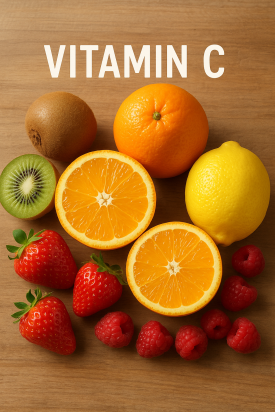
Its importance for health is vast, highlighted by its powerful antioxidant ability and the fundamental role it plays in various biological processes.
Main Health Benefits of Vitamin C
The benefits of adequate Vitamin C intake are remarkable and encompass various areas of the body:
Strengthening the Immune System: This is perhaps its most well-known function. Vitamin C acts by stimulating the production and improving the function of leukocytes (white blood cells) and increasing antibody levels, strengthening the body’s defenses against infections such as colds and flu.
Antioxidant Power: It works by neutralizing free radicals, unstable molecules that cause oxidative stress and cellular damage. This protective action is crucial for the prevention of chronic, cardiovascular, neurodegenerative diseases (like Alzheimer’s), and contributes to longevity.
Collagen Synthesis: The vitamin is vital for the production of collagen, a protein that provides strength, elasticity, and structure to the skin, bones, tendons, blood vessels, and cartilage. This helps to:
Prevent premature skin aging, reducing wrinkles and sagging.
Assist in wound healing.
Strengthen bones and joints.
Improved Iron Absorption: Vitamin C enhances the absorption of non-heme (plant-based) iron in the intestine, being essential for preventing and combating iron-deficiency anemia.
Cardiovascular Health: It helps control blood pressure and lower levels of LDL cholesterol (the “bad” one) and triglycerides in the blood, inhibiting fat oxidation and protecting against atherosclerosis, heart attacks, and strokes.
Well-being and Mood: It participates in the synthesis of neurotransmitters like norepinephrine and serotonin, which are linked to the regulation of mood, attention, and sleep quality. Some studies indicate it can help decrease symptoms of anxiety and fatigue by acting to suppress cortisol (the stress hormone).
Eye Health: Its antioxidant properties protect the health of the eyes, preventing macular degeneration and reducing the risk of cataracts.
—
How to Consume
The ideal way to ensure adequate Vitamin C levels is through a balanced and varied diet, rich in citrus fruits (orange, lemon, acerola), strawberries, kiwi, bell peppers, broccoli, kale, and other vegetables.
Supplementation may be indicated by a healthcare professional in cases of deficiency, restrictive diets, or increased needs (such as for high-performance athletes and individuals under high physical stress).
In summary, Vitamin C is a powerful ally, actively contributing to cellular protection and the proper functioning of practically the entire body.

© 2025 FlashOfferZone